
_edited_e.png)
Comprehensive Guide to Boat Gel Coat Restoration
Restoring your boat’s gel coat can bring back its original shine and protect it from the harsh elements. Over time, exposure to sun, saltwater, and wear can dull and damage the gel coat, making your boat look old and worn. This guide will walk you through everything you need to know about boat gel coat restoration, from understanding what gel coat is to step-by-step restoration tips and product recommendations.
What Is Gel Coat and Why Does It Matter?
Gel coat is the outermost layer of your boat’s fiberglass hull. It acts as a protective barrier against water, UV rays, and physical damage. This layer gives your boat its smooth, glossy finish and color. When the gel coat is in good condition, it keeps your boat looking great and helps prevent water from seeping into the fiberglass.
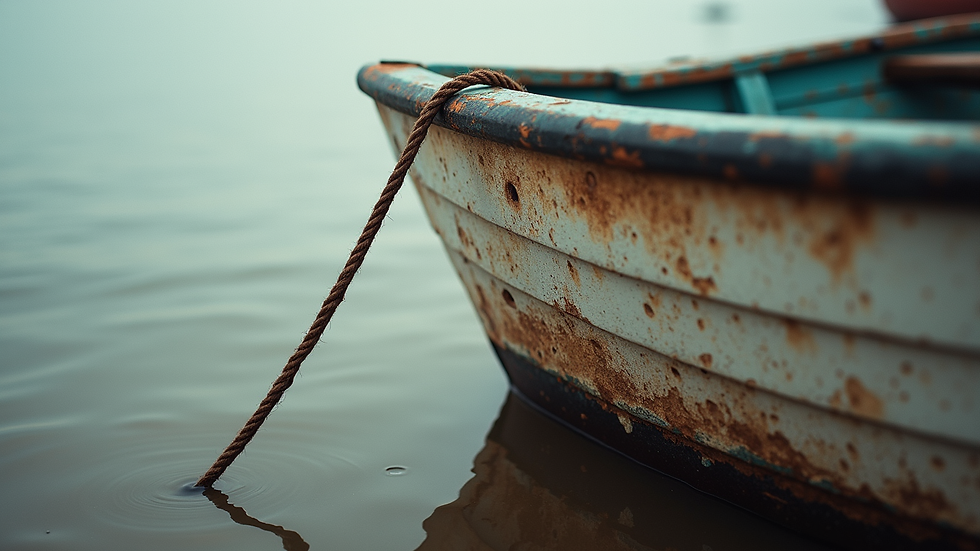
Over time, gel coat can fade, crack, or get scratched. This happens because of constant exposure to sunlight, salt, and rough handling. When the gel coat deteriorates, your boat not only looks less attractive but also becomes more vulnerable to damage.
Signs Your Boat Needs Gel Coat Restoration
Knowing when to restore your gel coat can save you from costly repairs later. Here are some common signs to watch for:
Fading or discoloration: The color looks dull or washed out.
Chalking: A powdery white residue appears on the surface.
Cracks or crazing: Fine cracks develop on the gel coat.
Scratches and scuffs: Surface marks that don’t wash off.
Oxidation: A chalky, rough texture caused by sun damage.
If you notice any of these, it’s time to consider restoration. Restoring the gel coat will improve your boat’s appearance and protect its structure.
How to Restore Your Boat’s Gel Coat
Restoring gel coat involves cleaning, repairing, and polishing the surface. Here’s a simple step-by-step process you can follow:
1. Clean the Surface Thoroughly
Start by washing your boat with a marine soap to remove dirt, salt, and grime. Use a soft brush or sponge to avoid scratching the gel coat. Rinse well and let it dry completely.
2. Remove Oxidation and Stains
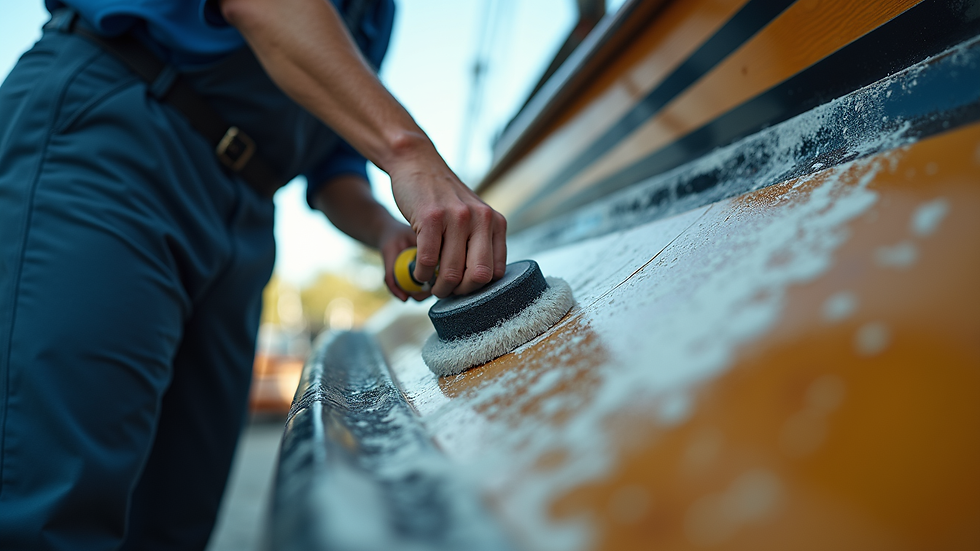
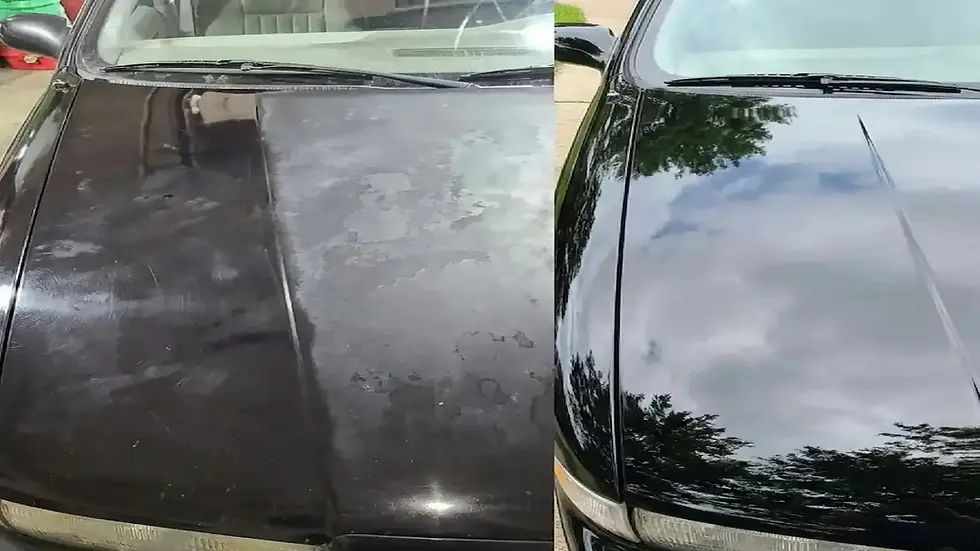
Oxidation makes the gel coat look chalky and dull. Use a marine-grade oxidation remover or rubbing compound to buff away the oxidation. Apply the product with a soft cloth or a polishing machine, working in small sections.
3. Repair Cracks and Chips
For small cracks or chips, use a gel coat repair kit. These kits usually include resin, hardener, and color pigments to match your boat’s color. Follow the instructions carefully to fill and smooth the damaged areas.
4. Sand the Surface (If Needed)
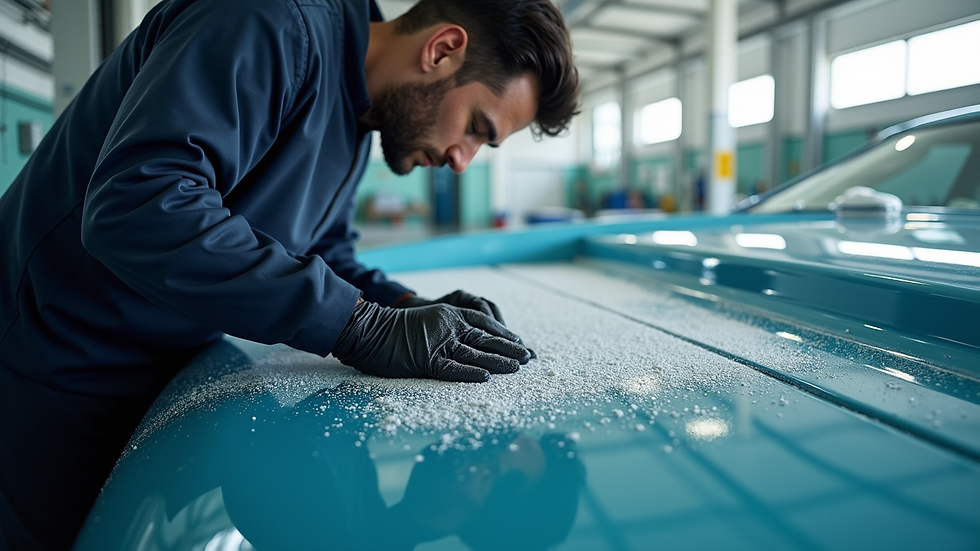
If the gel coat has deep scratches or rough patches, wet sanding may be necessary. Use fine-grit sandpaper (starting around 600 grit and moving up to 1500 grit) to smooth the surface. Always sand gently and keep the area wet to avoid further damage.
5. Polish and Wax
After sanding, polish the gel coat with a high-quality marine polish to restore shine. Finish by applying a marine wax or sealant to protect the surface from UV rays and water damage.
Recommended Products for Gel Coat Restoration
Choosing the right products can make a big difference in your restoration results. Here are two products that stand out for their effectiveness and ease of use:
Marine Oxidation Remover by Mack2Steam
This product is designed to remove oxidation and restore the gel coat’s shine without harsh abrasives. It’s easy to apply by hand or with a buffer, making it perfect for DIY restoration. You can learn more about it here.
Gel Coat Repair Kit by Mack2Steam
This kit includes everything you need to fix small cracks and chips. It comes with color-matched resin and clear instructions to help you achieve a smooth, professional finish. Check it out here.
Using these products can help you achieve a long-lasting, glossy finish that protects your boat year-round.
Tips for Maintaining Your Restored Gel Coat
Once your gel coat looks great again, keeping it that way requires some care. Here are some simple maintenance tips:
Wash your boat regularly with fresh water and marine soap to remove salt and dirt.
Apply a fresh coat of marine wax every few months to protect against UV damage.
Avoid abrasive cleaners or brushes that can scratch the gel coat.
Store your boat under cover or use a quality boat cover to reduce sun exposure.
Inspect the gel coat periodically for new cracks or damage and address them quickly.
Following these tips will help your boat stay shiny and protected for many seasons.
When to Call the Professionals
Some gel coat damage may be too extensive for DIY repair. If you notice large cracks, deep gouges, or severe fading, professional restoration services can provide expert care. Professionals have the tools and experience to restore your boat’s gel coat to like-new condition.
Mack2Steam offers premium detailing and restoration services in La Crosse, Onalaska, Holmen, and surrounding Wisconsin areas. Their team uses high-quality products and techniques to bring out the best in your boat’s finish. You can explore their services and book an appointment here.
Final Thoughts on Boat Gel Coat Restoration
Restoring your boat’s gel coat is a smart way to protect your investment and keep it looking great. With the right cleaning, repair, and polishing steps, you can bring back the shine and extend the life of your boat’s finish. Using quality products like the Marine Oxidation Remover and Gel Coat Repair Kit from Mack2Steam makes the process easier and more effective.
Remember, regular maintenance after restoration is key to keeping your boat in top shape. If you want expert help, professional services in your area can provide thorough restoration and detailing.
Take the next step to restore your boat’s gel coat and enjoy a beautiful, protected finish on the water. Visit Mack2Steam’s website to learn more about their products and services designed to keep your boat looking its best.


Comments